Fly Fishing the East River Near Gunnison and Crested Butte
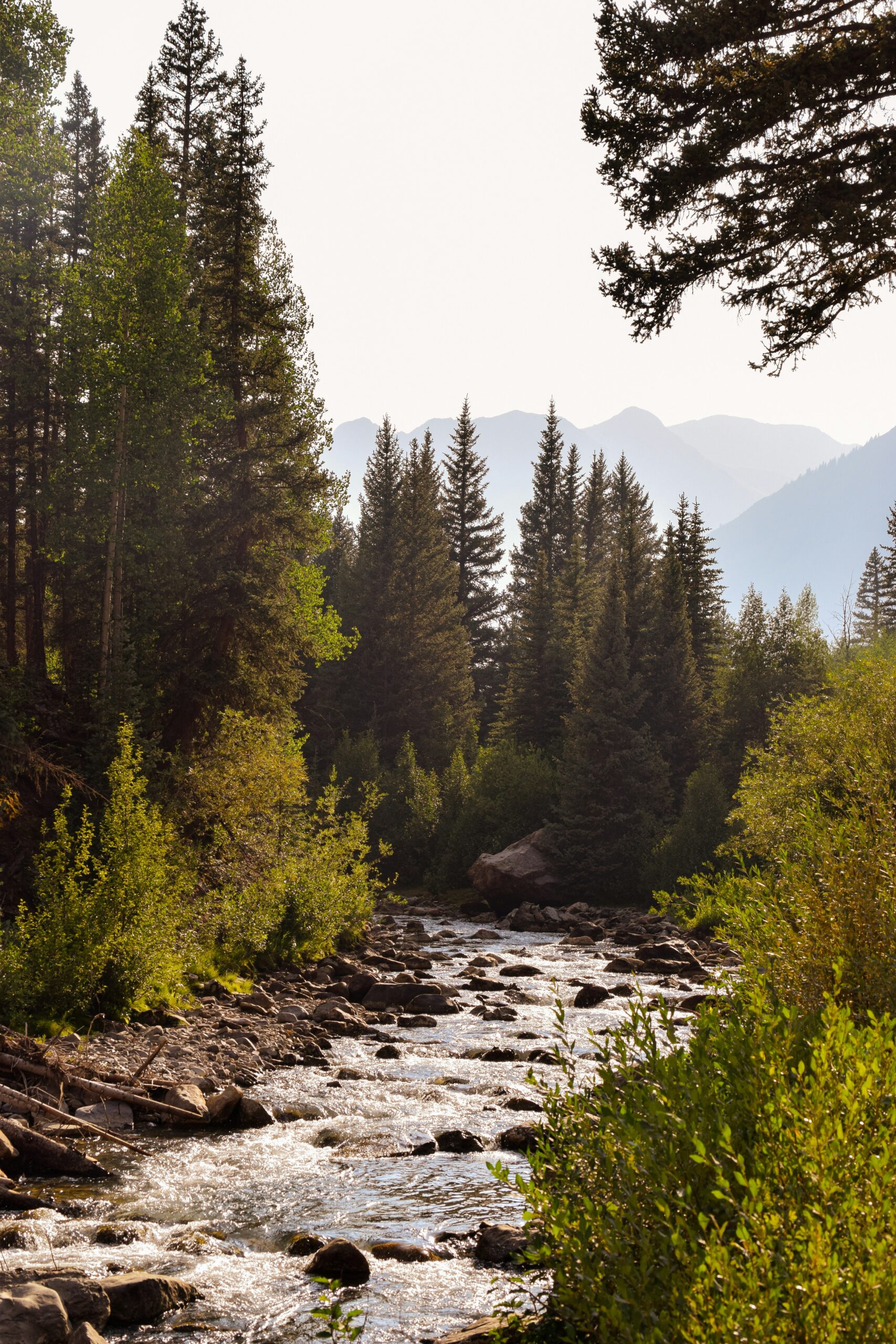
The East River is a free-flowing freestone river stretching approximately 38.3 miles from the mountains near Emerald Lake to Almont, where it joins the Taylor River to form the Gunnison River. Known for its wild trout, seasonal hatches, and scenic surroundings, the East River offers rewarding fly fishing, although much of its shoreline is privately owned.
Understanding the East River's Unique Character
Beginning near Emerald Lake at approximately 10,500 feet, the East River flows through the mountains surrounding Crested Butte before reaching Almont. Unlike a tailwater, this freestone river has no dam controlling its flow, making water levels heavily dependent on snowmelt and precipitation. Spring runoff can produce high, turbulent water, while summer typically brings more manageable flows. Conditions can vary significantly between years, making local knowledge particularly valuable.
East River Trout Species and Seasonal Hatches
The East River supports brown, rainbow, brook, and cutthroat trout, offering diverse opportunities for fly anglers. Brown and rainbow trout are common targets in the lower river, while smaller headwater stretches provide opportunities to pursue other species. Summer brings productive insect activity, including Green Drakes from July into early August and Red Quills during July and August. Stealthy approaches, short casts, and dry-dropper rigs can be particularly effective in the East River's smaller, clearer waters.
Roaring Judy Hatchery and the Kokanee Salmon Run
The Roaring Judy Fish Hatchery plays an important role in Colorado's kokanee salmon population. Each fall, kokanee migrate from Blue Mesa Reservoir into the East River to spawn. In fall 2025, Colorado Parks and Wildlife collected more than 3.1 million kokanee eggs from returning fish, supporting future stocking efforts. This seasonal migration also influences fishing access and regulations near the hatchery.
East River Fishing Regulations and Public Access
Much of the East River passes through private property, so anglers should identify legal public access before fishing.
Current Colorado Parks and Wildlife regulations include:
- Headwaters to Duck Lake: Artificial flies and lures only, with mandatory catch-and-release for trout.
- Upper Roaring Judy Hatchery boundary to the Taylor River confluence: Artificial flies and lures only, with a two-trout limit for fish no longer than 12 inches. Kokanee harvest is prohibited.
- Roaring Judy Hatchery outlet to the southern State Fishing Unit boundary: Closed to fishing August 15–October 31.
Hatchery grounds also have restricted nighttime public access. Consult the official CPW fishing regulations before visiting.
East River vs. Taylor River vs. Gunnison River
Each river offers a distinct experience. The East River features smaller freestone water, limited access, and technical presentations, with summer generally providing the best conditions.
The Taylor River attracts anglers pursuing larger, selective trout, particularly in its popular tailwater section, where crowds can be significant.
The Gunnison River offers more accessible fishing opportunities, including float trips, with productive conditions throughout much of the fishing season.
For many visitors, fishing the floatable Gunnison or booking a guided trip with someone familiar with legal East River access provides an easier, more productive experience.
East River Fly Fishing FAQs
Can you fly fish the East River?
Yes. The East River offers excellent trout fishing wherever public access and regulations permit.
Is the East River public or private?
Much of the river crosses private land, although designated public access areas exist.
Is the East River catch-and-release?
Some sections require catch-and-release, while others allow limited trout harvest.
What is the Roaring Judy section?
It's the portion of the East River surrounding Roaring Judy Fish Hatchery, known for seasonal kokanee migrations and special fishing restrictions.
Where does the East River start and end?
The East River begins near Emerald Lake outside Crested Butte and flows approximately 38.3 miles to Almont, according to UncoverColorado.com, where it joins the Taylor River to form the Gunnison River.
Why is part of it closed in fall?
The seasonal closure protects migrating and spawning kokanee salmon near the hatchery.
Plan Your East River Fly Fishing Adventure
Whether you're exploring freestone waters or seeking expert guidance, Gunnison Fly Fishing Outfitters can help you make the most of your time in Colorado. Explore our Guided Trips to discover local fishing opportunities and plan your next outing.